
Understanding Diabetic Medications
A practical, person-centered training lesson for Direct Care Professionals.
01 · INTRODUCTION
Why this lesson matters
Diabetes affects the way the body uses sugar for energy. Many people take medication to manage blood sugar and reduce the risk of serious health problems.
As a Direct Care Professional (DCP), your role is to understand the purpose of common diabetes medicines, watch for changes, respect the person’s choices, and follow their individual support plan. Knowing about a medication does not automatically authorize you to give it.
By the end, you should be able to:
- Explain why diabetes medications are used.
- Recognize common types of medications and key concerns.
- Recognize possible low and high blood sugar.
- Know when to stop, document, report, or seek emergency help.
02 · THE BASICS
What is diabetes?
Glucose is sugar in the blood that provides energy. Insulin is a hormone made by the pancreas. It helps glucose move from the blood into the body’s cells.
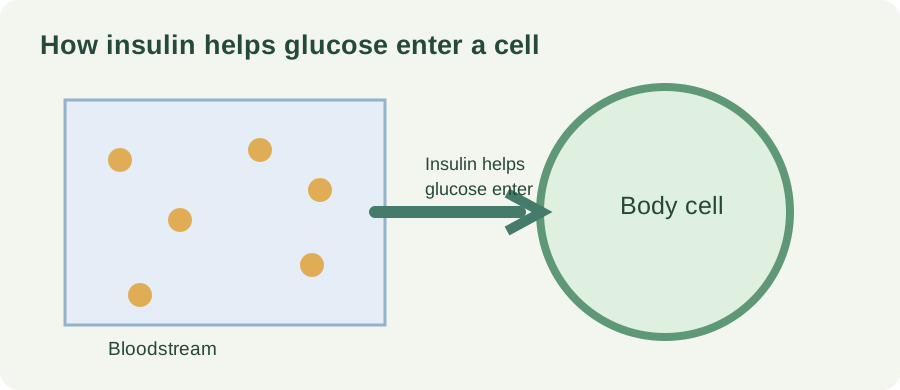
In Type 1 diabetes, the body makes little or no insulin, so the person needs insulin treatment. In Type 2 diabetes, the body does not respond to insulin effectively and may produce less over time. Treatment may include medication, eating habits, movement, and monitoring.
Over time, high blood sugar can harm the eyes, kidneys, nerves, heart, and blood vessels.
03 · MEDICATION AWARENESS
Common diabetes medications
Different medicines lower blood sugar in different ways. Learn the specific medication and instructions in the person’s record rather than assuming they all work alike.
Metformin
Helps reduce the glucose released by the liver and improves how the body uses insulin. Possible side effects include nausea, diarrhea, and stomach upset. By itself it usually has a low risk of causing low blood sugar.
Watch for: repeated vomiting, severe weakness, dehydration, or major changes in eating and drinking.
Sulfonylureas
Examples: glipizide, glimepiride, glyburide. These help the pancreas release more insulin and can cause dangerously low blood sugar, especially when meals are missed.
Watch for: shaking, sweating, dizziness, confusion, or meals that are skipped.
GLP-1 receptor agonists
Examples: semaglutide (Ozempic or Rybelsus), dulaglutide (Trulicity). They help the body release insulin when glucose is high, slow stomach emptying, and may reduce appetite.
Watch for: ongoing nausea, vomiting, poor fluid intake, and severe or persistent abdominal pain.
SGLT2 inhibitors
Examples: empagliflozin (Jardiance), dapagliflozin (Farxiga). They help the kidneys remove glucose in urine.
Watch for: dehydration, urinary or genital symptoms, and signs of diabetic ketoacidosis such as vomiting, abdominal pain, or rapid breathing. This serious problem can happen without extremely high glucose.
DPP-4 inhibitors
Examples: sitagliptin (Januvia), linagliptin (Tradjenta). These help hormones that support insulin release when blood sugar rises. Used alone, they usually have a low risk of causing low blood sugar.
04 · INSULIN
Different types of insulin
Insulin lowers blood sugar. Some types work around mealtimes; others provide more steady coverage.

| Type | Usual purpose | Examples |
|---|---|---|
| Rapid-acting | Mealtime coverage | Lispro, aspart |
| Short-acting | Meal coverage with a slower start | Regular insulin |
| Intermediate-acting | Part-day or overnight coverage | NPH |
| Long-acting | Background coverage | Glargine, degludec |
Insulin types are not interchangeable. If a medication name, dose, or timing seems wrong, stop and obtain clarification from an authorized healthcare professional.
05 · WARNING SIGNS
Low blood sugar: hypoglycemia
For many adults, a blood glucose reading below 70 mg/dL is considered low. Follow the person's individual plan, which may have specific instructions and thresholds.
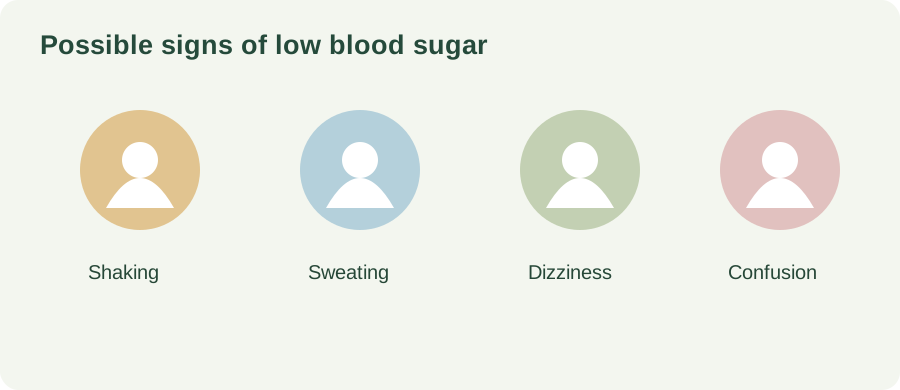
Warning signs include sweating, shaking, sudden hunger, headache, weakness, confusion, and unusual sleepiness. A person who has difficulty communicating may show changes in behavior instead of describing symptoms.
What a DCP should do
- Stay with the person and ensure immediate safety.
- Follow the individual low-blood-sugar plan right away.
- Check glucose only if trained, authorized, and directed.
- If the person is awake and can swallow safely, follow their prescribed treatment instructions.
- Recheck and notify the appropriate professional as the plan requires.
- Record what you observed, measured, did, and reported.
If the person is unconscious, having a seizure, or unable to swallow safely, give nothing by mouth. Call 911. Use prescribed rescue glucagon only if trained and authorized.
06 · WARNING SIGNS
High blood sugar: hyperglycemia
High glucose may cause unusual thirst, frequent urination, fatigue, dry mouth, or blurred vision. Some people have no obvious symptoms.
Repeated vomiting, severe dehydration, deep or rapid breathing, worsening confusion, or reduced consciousness may indicate an emergency such as diabetic ketoacidosis (DKA) or hyperosmolar hyperglycemic state (HHS). Seek urgent medical help and call 911 for severe symptoms or a suspected diabetic emergency.
Do not give extra insulin, change doses, or diagnose the cause yourself. Follow the plan and obtain authorized direction.
07 · EQUIPMENT
Blood sugar monitoring
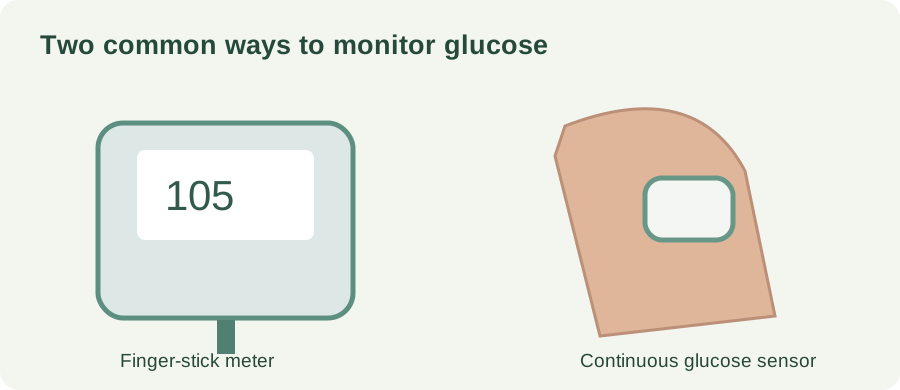
A blood glucose meter checks a drop of blood. A continuous glucose monitor (CGM) uses a sensor to estimate glucose throughout the day and may provide alerts. CGM readings may lag behind blood glucose during rapid changes.
Use approved equipment only if trained and authorized. Respond to symptoms and alerts as the individual plan instructs—even when the device reading seems normal.
08 · YOUR ROLE
Safe medication support
- Review the current orders, medication administration record (MAR), and care plan as assigned.
- Confirm the person and medication using approved safety checks.
- Explain the assistance and respect consent and refusal.
- Notice skipped meals, illness, vomiting, changes in eating, or new symptoms.
- Do not change a dose, substitute a medicine, or give injections without required authorization and competency.
- Report concerns and record facts using approved NOWCAP procedures.
When to report
Promptly report concerning readings, missed meals affecting medication safety, refusals, medication discrepancies, repeated vomiting, unusual symptoms, or changes from the person's normal condition. Use emergency services for severe symptoms.
09 · PRACTICE
Everyday situations
A missed breakfast
James takes glipizide but refuses breakfast. Respect the refusal, ask about discomfort or illness, offer appropriate choices, and follow his diabetes plan. Seek direction when required; never independently change his medication.
An unexpected change
Maria uses insulin and suddenly becomes sweaty and unsteady during an outing. Stop the activity, help her remain safe, and follow her low-blood-sugar emergency plan. Do not assume her behavior is caused by her disability.
Supporting independence
Angela wants to learn more about her daily medication routine. Encourage her to do safe steps she can manage, with reminders and support allowed by her plan.
Document what happened
Record what you saw, what the person said, measured values, what you did, whom you notified, and what happened next. Avoid guesses or labels such as “acting strange.”
Remember
- Know the medication. Understand its purpose and important warning signs.
- Watch for changes. Recognize possible blood sugar problems and side effects.
- Follow the plan. Respect choice, stay within your role, and report concerns promptly.
Golden Rule: Support the person, follow the medication plan, and never guess when someone's health or safety is at risk.
10 · KNOWLEDGE CHECK
Diabetes Medication Safety Assessment
Answer all eight questions. After submitting, review explanations for missed answers and retry only those questions. You complete the assessment when every question has been answered correctly.
Guest preview: mastery lasts only for this page visit. Sign in to save completion.
Training for general medication awareness only. Current healthcare orders, individualized diabetes plans, NOWCAP policies, and required training take priority. Clinical review is required before staff deployment. Pilot version 0.1.0.